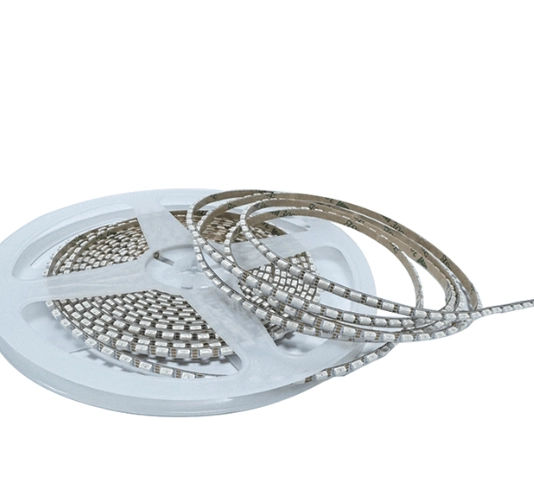
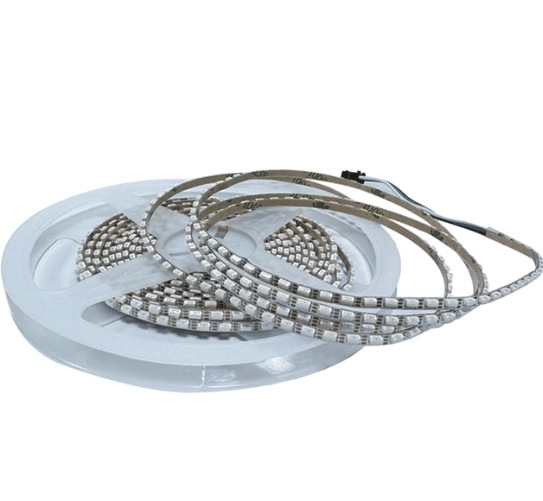
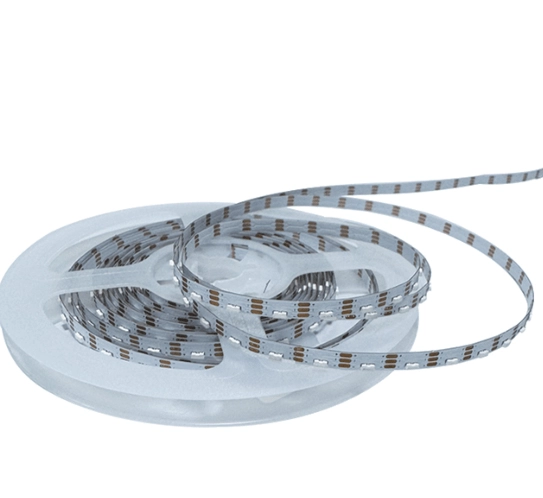
1. Single-Color LED Strips · Best for: Task lighting, under-cabinet lights, and professional settings. · Options: Warm white (2700K–3000K), cool white (6000K–6500K), or color-matched (e.g., red for automotive brake lights). · Advantages: ✔ Higher brightness (e.g., 120 lumens/W for pure white vs. 80 lumens/W in RGB). ✔ Simpler installation (no controller needed for basic models). 2. RGB & RGBW LED Strips · Best for: Dynamic lighting (e.g., car interiors, gaming setups, holiday decorations). · How They Work: Mix red, green, and blue diodes to create 16 million colors. RGBW strips add a dedicated white diode for purer whites. · Control Options: · IR Remotes: Basic color switching. · Smart Apps: Voice control via Alexa/Google Home, music sync modes. 3. Key Decision Factors Feature Single-Color RGB/RGBW Brightness Higher Lower Color Options Fixed Unlimited Cost $ $$ Use Case Functional Decorative 4. Automotive Lighting Tip For car interior mood lighting, RGB strips offer customizable vibes, but single-color strips (e.g., amber) may comply better with local vehicle lighting laws. Conclusion Single-color strips excel in efficiency and focus, while RGB unlocks creativity. Match your choice to the project’s purpose!



 IPv6 network