1. The Science Behind LED Strips
- LEDs (Light Emitting Diodes)convert electricity into light using semiconductors. Unlike incandescent bulbs, they don’t rely on heating a filament, making them 90% more efficient.
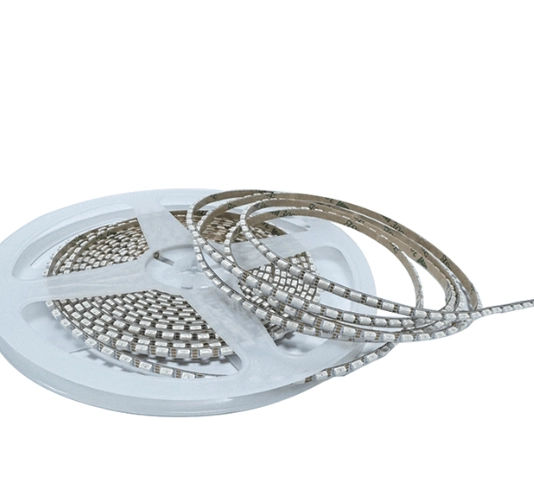
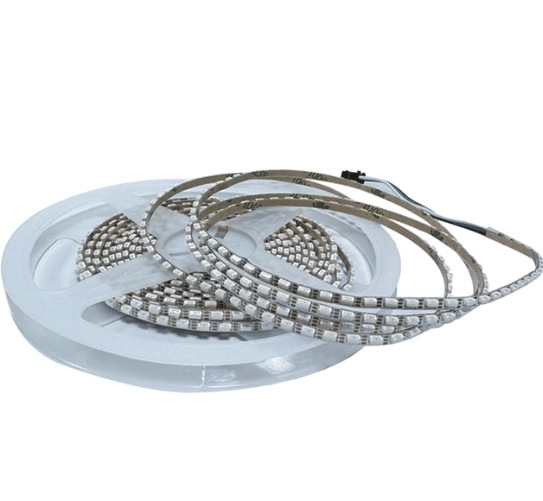
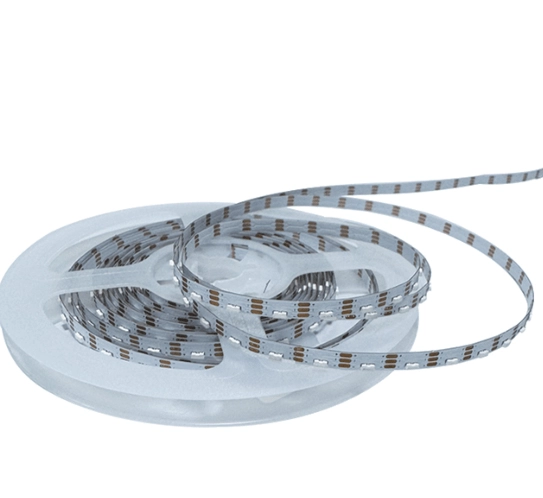
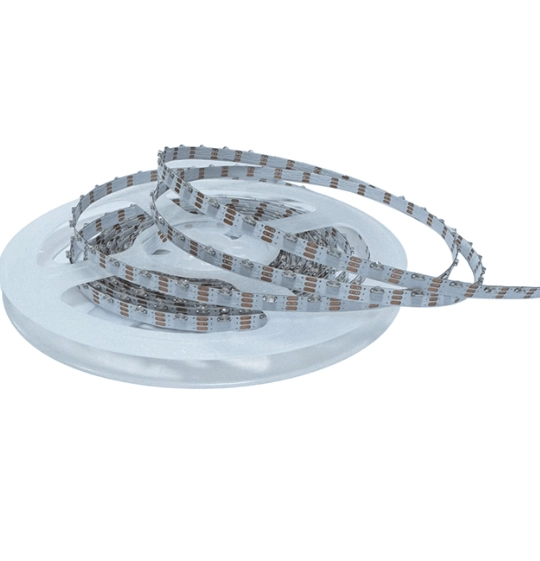
- SMD (Surface-Mounted Device) Technology: Most LED strips use SMD LEDs (e.g., SMD 5050, 2835) soldered onto a flexible circuit board, allowing bendable, ultra-thin designs.
2. Key Components of an LED Strip
- LED Chips: Determine brightness (lumens) and color (e.g., RGB, warm white).
- PCB (Printed Circuit Board): Flexible base that conducts electricity.
- Adhesive Backing: For easy installation on surfaces.
- Voltage & Power Supply: Most strips run on 12V or 24V DC, requiring a compatible driver.
3. Why Choose LED Strips?
✔ Energy Savings: A 5-meter LED strip consumes ~20W, vs. 100W for incandescent.
✔ Long Lifespan: Up to 50,000 hours (15+ years at 8h/day).
✔ Customizable: Cut-to-length, dimmable, and smart app control (e.g., Bluetooth/WiFi).
4. Pro Tips for Installation
- Waterproof Ratings: Use IP65/IP67 strips outdoors or in humid areas.
- Heat Management: Avoid tightly coiled installations—heat sinks improve longevity.
Conclusion
LED strips are a versatile, eco-friendly lighting solution. Whether for car ambiance, home decor, or architectural lighting, understanding their technology helps you maximize performance.



 IPv6 network